
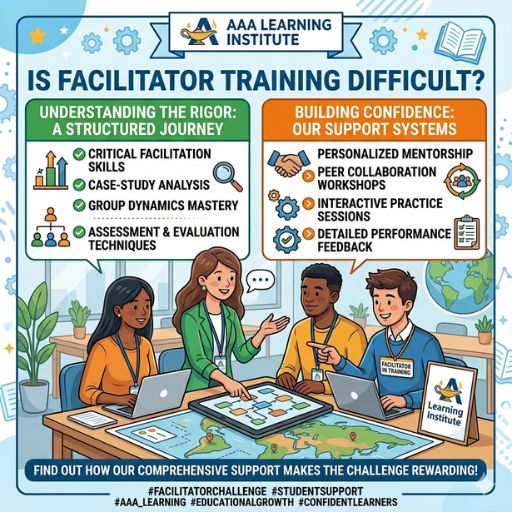
Many prospective students ask, is facilitator training difficult? This is an important question, especially for adult learners balancing education with work, family, and other responsibilities. The answer is that facilitator training can be challenging, but for the right student, it is also highly manageable, meaningful, and professionally rewarding.
If you are new to this field, it may help to first understand what psilocybin facilitator training is. Students also often compare how long facilitator training takes before deciding whether the program is a good fit for their schedule and learning style.
Why Facilitator Training Can Feel Challenging
Facilitator training is not difficult in the sense that it is meant to overwhelm students, but it does require commitment, professionalism, and consistent engagement. Students are expected to complete coursework, understand core concepts, participate in class, and prepare for supervised practicum. Because this training prepares students for work in a highly sensitive professional setting, the curriculum must be taken seriously.
For many students, the challenge comes less from academic complexity and more from balancing the program with real life obligations. This is why prospective students often also ask whether they can work while in facilitator training and how to realistically plan around coursework and practicum requirements.
What Makes Facilitator Training Different
Facilitator training is different from many traditional educational programs because it requires more than memorization. Students must develop professionalism, ethical awareness, communication skills, and a strong understanding of safety, boundaries, and client support. The learning process is designed to prepare students for real-world responsibilities, not just to pass a quiz.
Students comparing programs may want to review the skills you learn in facilitator training and the role of supervised practice in psychedelic training. These areas are often where students grow the most during the training process.
Academic Workload and Time Commitment
A common reason people wonder whether facilitator training is difficult is because they are trying to understand the workload. Training generally includes class participation, assigned reading, written work, and preparation for practicum. However, the intensity can vary depending on the structure of the program.
Students also frequently explore the cost of facilitator training and what students should know before enrolling because understanding both the workload and the overall commitment helps them make a more informed decision.
Practicum Adds Real-World Responsibility
One reason facilitator training can feel challenging is that students are preparing for supervised practicum, where knowledge must be applied in an actual service setting. Practicum introduces a level of real-world responsibility that goes beyond classroom learning alone.
To better understand this part of the process, students should review what happens during facilitator practicum. Knowing what to expect ahead of time often helps reduce anxiety and improves readiness.
Difficulty Depends on Program Fit
Whether facilitator training feels difficult often depends on choosing the right program. A well-structured program with clear expectations can make the learning process feel much more manageable. Students who are a good fit for the field and who approach the work with maturity usually find the challenge worthwhile.
If you are comparing providers, it may help to read how to choose a facilitator training program and review accredited vs non-accredited psychedelic training. These topics can help you understand what quality and structure to look for before enrolling.
Some Students Find the Personal Growth Component Challenging
For some learners, the most demanding part of facilitator training is not academic at all. It is the personal responsibility required to engage professionally with sensitive material, ethical standards, and client-centered care. Students are preparing to support others in meaningful and sometimes vulnerable settings, so self-awareness matters.
Students considering long-term career goals may also want to explore how to become a psilocybin facilitator and jobs after facilitator training. These articles can help connect the challenge of training with the larger professional path ahead.
How AAA Learning Institute Supports Students
At AAA Learning Institute, facilitator training is designed to be structured, clear, and professionally grounded. Students can better understand the path ahead by reviewing the program overview, training structure and curriculum, and practicum experience pages.
For students who are ready to take the next step, the application page provides a direct path to begin the enrollment process.
Final Answer
So, is facilitator training difficult? It can be challenging, but it is designed to be meaningful, structured, and achievable for committed students. With the right program, realistic expectations, and a professional approach, many students find that facilitator training is not only manageable, but also one of the most valuable steps in their professional development.