
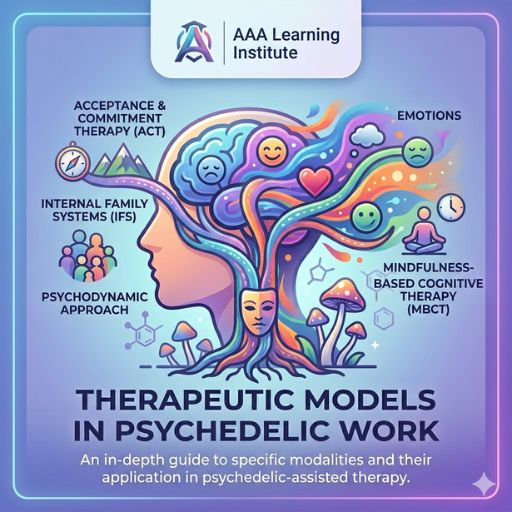
Discussions about therapeutic models in psychedelic work have expanded as researchers and educators explore structured approaches to psychological support and experiential learning. Many educational frameworks emphasize preparation practices, supportive environments, and reflective integration processes as part of responsible discussions about altered states.
Readers who want to understand neurological context may also explore how psilocybin affects the brain. Additionally, learning about neuroplasticity and psychedelics can help explain how shifts in brain connectivity may relate to perception and cognitive flexibility.
Preparation-Focused Approaches
Many therapeutic models in psychedelic work emphasize psychological preparation before an experience. For example, individuals may explore intention setting, emotional readiness, and expectation awareness. Consequently, educational resources frequently reference set and setting as foundational preparation concepts.
Additional preparation perspectives appear in psychedelic preparation practices, which discusses ways individuals may plan for meaningful experiences.
Supportive Presence and Environmental Structure
Structured environments and supportive presence are also commonly discussed. Calm surroundings, predictable processes, and respectful communication may influence how individuals interpret altered states. Therefore, awareness of trauma informed psychedelic support is often included in educational discussions about safety and emotional sensitivity.
Psychological Frameworks Referenced in Research
Some academic discussions of therapeutic models in psychedelic work reference established psychological frameworks. For example, Acceptance and Commitment Therapy (ACT) is often associated with psychological flexibility and values-based behavior. Internal Family Systems (IFS) explores awareness of different “parts” of the psyche. Psychodynamic perspectives may examine subconscious patterns and emotional history. Additionally, mindfulness-based cognitive approaches focus on non-judgmental awareness and cognitive restructuring.
These frameworks are typically discussed in research and educational contexts rather than presented as universal methods. Readers interested in emotional insight themes may also explore psychedelics and emotional processing.
Integration and Reflective Learning
Post-experience reflection is another important element of therapeutic models in psychedelic work. Journaling, dialogue, and behavioral awareness practices are frequently mentioned in educational literature. Readers may wish to review integration after psychedelic experiences to understand how meaning-making may continue over time.
Safety Awareness and Screening Considerations
Educational discussions also emphasize safety awareness. For example, individuals may review risks of psychedelic experiences to better understand psychological challenges. In addition, awareness of contraindications for psilocybin and safety screening before psychedelic sessions can support informed preparation.
Research and Educational Development
Academic programs and research organizations continue to explore therapeutic models in psychedelic work. Institutions such as MAPS and university psychology departments contribute to evolving perspectives on experiential learning and psychological support.
Readers seeking broader context may also explore psychedelic research in mental health.
Connections to Professional Training
Educational programs sometimes introduce therapeutic models in psychedelic work to help students understand psychological frameworks and safety considerations. Individuals interested in professional pathways may review psilocybin facilitator training.
Further information can be found on the training structure and curriculum, the program overview, or by visiting the application page.
Final Consideration
Discussions about therapeutic models in psychedelic work continue to evolve as scientific research expands. Preparation practices, psychological frameworks, environmental awareness, and reflective integration remain central themes in educational conversations about responsible support and experiential interpretation.