
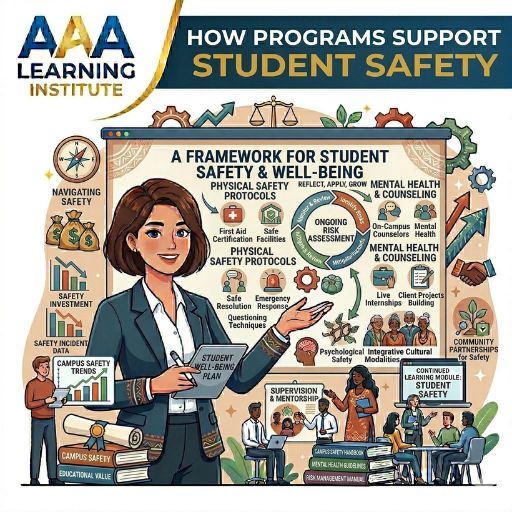
Understanding student safety in facilitator training is important for individuals exploring education in psychedelic services. Training programs often introduce structured learning environments and clear participation expectations. Therefore, students can better prepare for professional roles while developing confidence and ethical awareness.
Structured Learning Environments and Clear Expectations
Many programs emphasize organization and communication from the beginning. For example, students may receive guidance about coursework progression and participation standards. Readers researching training pathways may review psilocybin facilitator training and how to choose a facilitator training program to better understand program structure.
Supervised Practice Awareness and Professional Preparation
Student safety in facilitator training may also involve preparation for experiential learning components. In addition, supervised environments can help students understand professional expectations. Readers may explore what happens during facilitator practicum for additional insight.
Emotional Readiness and Trauma-Informed Sensitivity
Educational discussions often include communication approaches that support emotional awareness. Therefore, programs may reference trauma informed psychedelic support as part of responsible preparation conversations.
Ethical Awareness and Professional Responsibility
Student safety in facilitator training is also connected to ethical development. In addition, learning about professional scope and boundaries can help students prepare for real-world facilitation environments. Readers interested in career preparation may review professional ethics in psychedelic careers.
Reviewing Program Information and Curriculum Design
Prospective students comparing education options may review the program overview and the training structure and curriculum. These pages can help explain how safety awareness is incorporated into training pathways.
Taking the Next Step
Individuals interested in exploring facilitator education can begin reviewing enrollment pathways through the application page.
Research Perspectives on Training Safety
Additionally, organizations such as MAPS continue to support research and dialogue related to education standards and professional responsibility in psychedelic services.
Final Consideration
Student safety in facilitator training remains an important consideration as education programs evolve. In summary, structured learning environments, supervised awareness, and ethical preparation discussions can help support responsible professional development in psychedelic facilitation roles.