
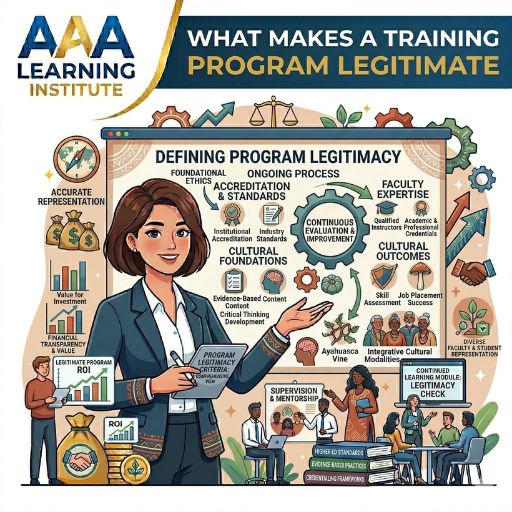
Understanding the student experience in facilitator training can help prospective participants prepare for educational expectations. Training programs often combine structured coursework, experiential discussions, and professional development topics. Therefore, students may gain both theoretical knowledge and practical awareness of facilitation environments.
Learning Structure and Educational Progression
Many programs organize learning into progressive modules. For example, students may first explore safety awareness and communication approaches. Later, they may study integration discussions and group facilitation dynamics. Readers researching education pathways may review psilocybin facilitator training and how long does facilitator training take for additional context.
Skill Development and Practical Awareness
The student experience in facilitator training often includes opportunities to observe real-world professional expectations. In addition, experiential learning components may help students build confidence. Readers may explore skills you learn in facilitator training to understand how competencies are developed.
Professional Growth and Career Preparation
Students frequently enter training with long-term career goals. Therefore, educational discussions may include employment pathways and professional responsibility topics. Readers interested in career planning may review how to become a psilocybin facilitator.
Supportive Learning Environment and Ethical Awareness
A positive student experience in facilitator training often involves peer discussion, structured feedback, and ethical awareness development. For example, programs may reference trauma informed psychedelic support to highlight responsible communication approaches.
Reviewing Program Expectations and Curriculum
Prospective students comparing programs may review the program overview and the training structure and curriculum. These pages can help explain how learning experiences are organized.
Taking the Next Step
Individuals interested in beginning facilitator education can explore enrollment pathways through the application page.
Research and Educational Dialogue
Additionally, organizations such as MAPS continue to support dialogue about training development and professional standards in psychedelic services.
Final Consideration
The student experience in facilitator training may include academic learning, experiential awareness, and professional preparation. In summary, structured education environments can help individuals build confidence as they explore evolving psychedelic facilitation roles.